Fairfax County is the largest jurisdiction in Virginia and the Washington region with over 1.1 million people. To accommodate future growth, manage traffic, and provide vibrant communities, CSG promotes transit-oriented redevelopment of the County’s aging commercial corridors and vast parking lots as a better way to grow.
Our Work in Fairfax County, VA
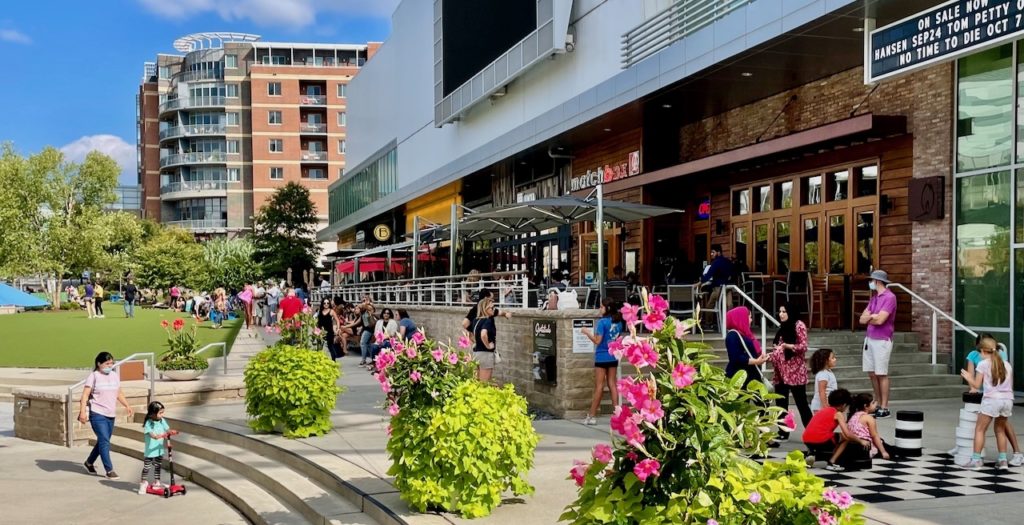
Inclusive Vibrant Communities
Through smarter land use, we can build a more inclusive, vibrant, and sustainable region with neighborhoods that are safe and convenient for walking, biking, and taking transit to our daily needs – school, stores, parks, and jobs – and provide different housing types for a mix of incomes. Learn More >>
Photo credit: Sonya Breehey
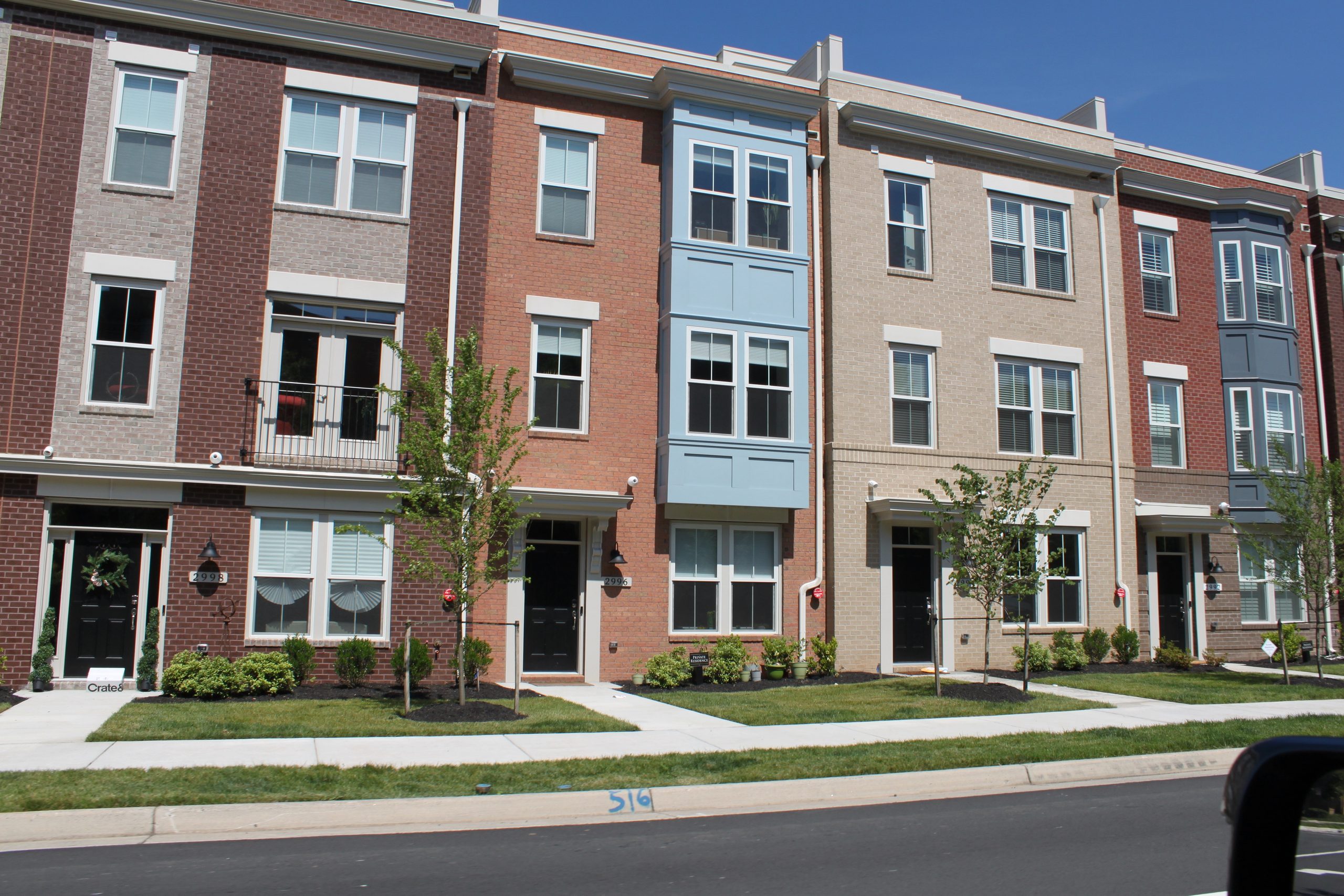
Housing for All
Building more housing and different types of housing – townhouses, duplexes, apartments – with good access to transit, while preserving and building affordable housing will increase equity and access to opportunity and reduce household transportation costs. Learn More >>>
Image credit: Sonya Breehey
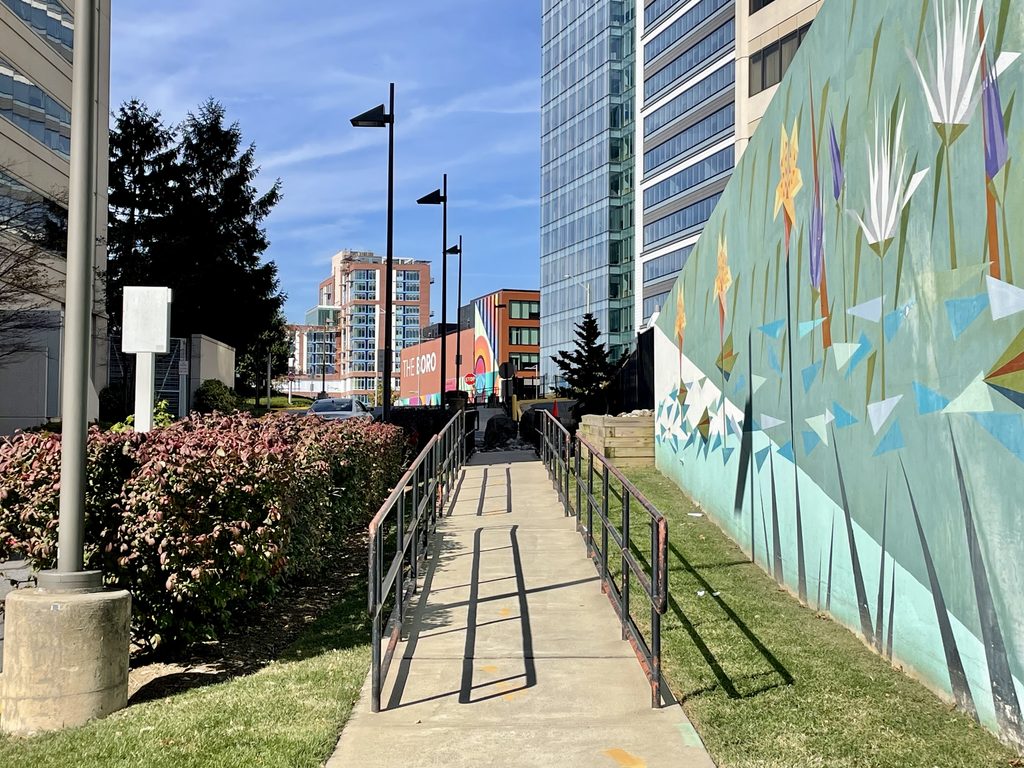
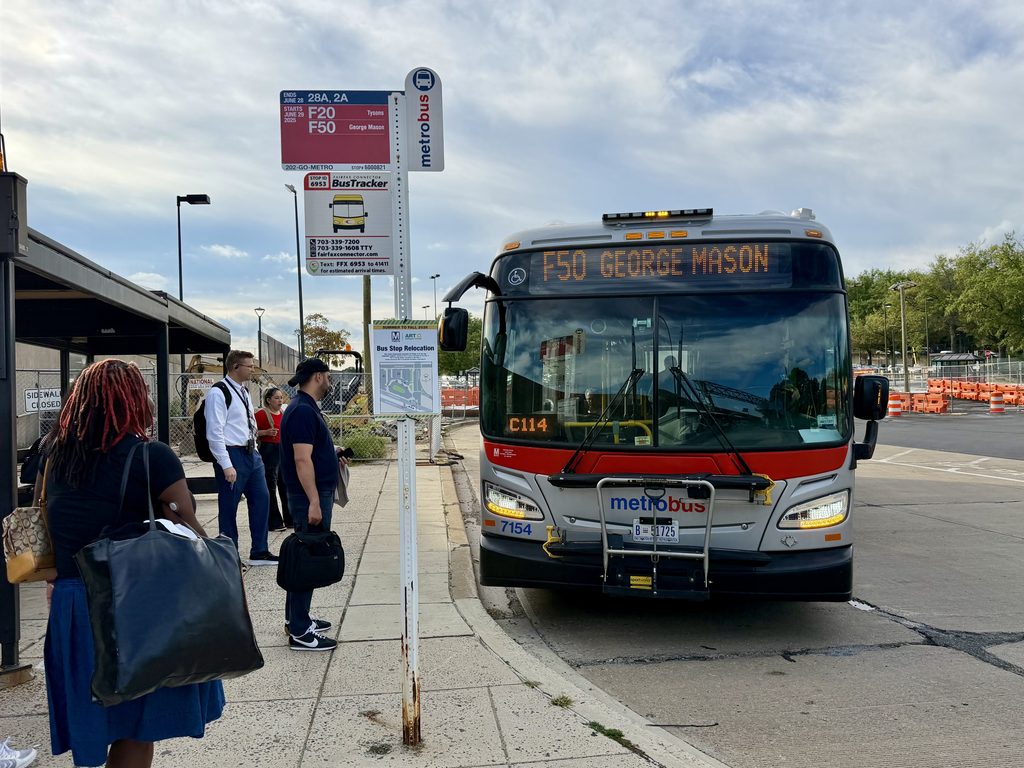
Convenient, Sustainable Transportation Options
Our region’s transit system provides the framework for a sustainable region and vibrant, interconnected communities. We must invest in public transit that is frequent, reliable, and convenient; make walking and biking comfortable and well-connected; and stop building new highways and widening roads. Learn More >>>
If you missed our virtual stream walk with the Audubon Naturalist Society and Fairfax County staff, you can watch the presentation here. From ANS: On September 10th, 2020, Fairfax County staff Charles Smith & JoAnne Fiebe led us on a virtual walk-and-talk of an area around Mount Vernon Plaza, part
Coalition for Smarter Growth, Faith Alliance for Climate Solutions, Northern Virginia Affordable Housing Alliance, Audubon Naturalist Society, Fairfax Alliance for Better Bicycling, Friends of Accotink Creek, Chesapeake Bay Foundation, Potomac Conservancy, Friends of Dyke Marsh, Audubon Society of Northern Virginia, Virginia Clinicians for Climate Action, Fairfax County NAACP Fairfax Healthy Communities: Sustainable, Inclusive, Livable A Joint Vision for Fairfax County
Coalition for Smarter Growth, Faith Alliance for Climate Solutions, Northern Virginia Affordable Housing Alliance, Audubon Naturalist Society, Fairfax Alliance for Better Bicycling, Friends of Accotink Creek, Chesapeake Bay Foundation, Potomac Conservancy, Friends of Dyke Marsh, Audubon Society of Northern Virginia, Virginia Clinicians for Climate Action, Fairfax County NAACP Fairfax Healthy Communities: Sustainable, Inclusive, Livable A Joint Vision for Fairfax County
Coalition for Smarter Growth, Faith Alliance for Climate Solutions, Northern Virginia Affordable Housing Alliance, Audubon Naturalist Society, Fairfax Alliance for Better Bicycling, Friends of Accotink Creek, Chesapeake Bay Foundation, Potomac Conservancy, Friends of Dyke Marsh, Audubon Society of Northern Virginia Fairfax Healthy Communities: Sustainable, Inclusive, Livable A Joint Vision for Fairfax County in 2019 We support a vision for
FAIRFAX, Va. — The Virginia Department of Transportation has delayed a move to convert high-occupancy vehicle (HOV) rules on Interstate 66 until 2020, three years after tolls are introduced inside the Capital Beltway. VDOT has suggested the conversion might happen when tolling began in 2017 during a meeting before the