To build a sustainable and equitable transportation system, we need to focus on moving people, not just cars.
That means providing more transportation choices: expanding our transit network; providing frequent, reliable transit service; investing in protected bike lanes, trails, bikeshare, ample sidewalks, and safer streets; and focusing on maintaining existing road infrastructure instead of expanding highways and widening roads.
These measures will make it possible for us to choose to drive less and meet more of our daily needs through options like transit, walking, biking, and scooting.
- Our work for convenient, frequent, and reliable public transit
- Our work for safe, comfortable walking and biking
- Our work against highways and arterial road expansions
Provide convenient, frequent, and reliable public transit
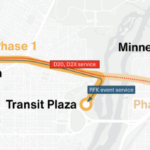
Public transit, including our Metro system and local bus services, provides an affordable, convenient, and sustainable way to travel. It is essential for supporting our network of transit-oriented communities and corridors, and to a thriving, economically competitive, and inclusive D.C. region.
To make public transit a great option for all, it must be frequent, fast, and reliable, have dedicated lanes as much as possible, and connect us to where we need to go — work, shopping, gathering with friends and family, and more.
Invest in safe, comfortable walking and biking
For more people to choose walking and biking to get around, we must make these options safe, comfortable, and well-connected to the places we need to go. This includes investing in wider sidewalks, protected bike lanes, trails, high-visibility and shorter street crossings, and street trees
Wide, dangerous roads that prioritize speed make our roads less safe for everyone. Instead, we should design our streets for travel speeds that make them safer for all users – people walking, people biking, and people driving.
Shift away from highways and arterial road expansion
Transportation should connect our communities – not divide them. The vast expansion of highways and roads has separated our neighborhoods and resulted in sprawl development that requires driving to get to most places, adds more traffic, and increases climate emissions.
In fact, data shows that widening major roads and highways actually results in more driving, canceling out any congestion-reduction benefits in as little as five to ten years, a phenomenon called “induced demand”.
A more sustainable solution is creating walkable, transit-accessible communities with connected local street networks. Providing more opportunities to live in a walkable community and to walk, bike, and use transit is more effective in reducing the number of cars crowding arterial roads and highways.
Latest Happenings
Event Materials: Montgomery County Master Plans 101 (October 2026)
Release: Coalition for Smarter Growth Statement on Metro’s proposed FY28 fare structure changes