Author: Elena Sorokina

For upcoming Metro shutdown, dedicated lane spurs rare optimism amid sagging bus ridership

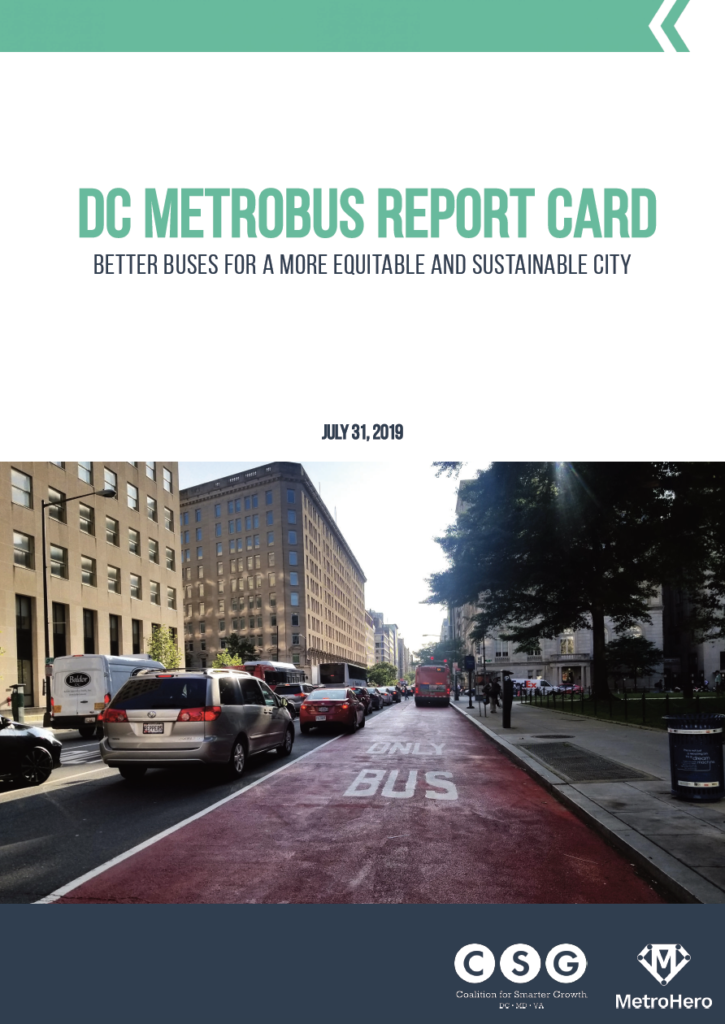
Starting this month, up to 60 buses an hour will zip through a new dedicated bus lane along Rhode Island Avenue, according to the District Department of Transportation, filling a gap in train service prompted by a six-week shutdown of the Red Line’s Brookland and Rhode Island Avenue stations.

The new pop-up lane has transit advocates abuzz about the possibilities for the future of the region’s bus system, which lags behind those in other transit-oriented cities in its lack of an extensive network of bus lanes. Dedicated bus lanes speed travel, making riding the bus amore predictable and reliable experience. Improved service also could help stabilize sagging Metrobus ridership, they say.

To some, DDOT’s experiment hints at larger developments to come — beyond the launch of rush-hour bus lanes along the 16th Street corridor beginning in 2020.

“It shows how quickly you can pop up something like this,” said Stewart Schwartz, executive director of the pro-transit Coalition for Smarter Growth. “Stripe it and paint it, appropriately enforce it.”

The Rhode Island Avenue bus lane will stretch from North Capitol Street to 12th Street NE, and DDOT expects it to carry not only Metro shuttle buses from the shuttered stations to Union Station and downtown, but also the G8 routes and G9 Express buses — normally a rush-hour service — that will run all-day service during the July 21-Sept. 3 shutdown. During the six-week experiment, DDOT says it will gather data to “consider future steps” on bus lanes.

DDOT has not ruled out making the bus lane permanent, though it would not do so immediately in September. For now, it will be the District’s longest and busiest bus lane, the agency says.

“DDOT is actively considering bus priority enhancements up to and including bus lanes in other planning work on major arterials with significant bus routes, too,” DDOT Director Jeff Marootian said.

Schwartz hopes more dedicated lanes are on the way for the District. His group has supported regional bus service initiatives such as Metroway — a bus rapid transit network with dedicated lanes in Arlington and Alexandria — and Richmond Highway Bus Rapid Transit in Fairfax County.

“Hopefully the experience is very successful that we collect a lot of data and then it helps accelerate the study and implementation of dedicated bus lanes and other service enhancements, not just on Rhode Island Avenue but in other corridors as well,” Schwartz said.

Unlike the bright red four-block bus lane along Georgia Avenue, the Rhode Island Avenue bus lane will receive a more modest paint job, DDOT said. There will be posted signage and paint markers, potentially including “Bus Lane” messages on the road.

Marootian said DDOT chose the route along Rhode Island Avenue NE because it will have the highest concentration of buses, compared with the western leg of Rhode Island Avenue where G8 and G9 buses run, but shuttles will not be mixed in. Closer to the Rhode Island Metro station, where the D8 and P6 buses mix with the G9 and shuttles, officials expect as many as 60 buses to squeeze through the corridor per hour. DDOT says the volume of buses dwindles west of 4th Street Northeast, and shuttle buses will turn off the route onto North Capitol Street.

The new project comes as Metro is in the midst of conducting a bus network study, which centers on the role of its bus system and how to best optimize it for riders’ needs. Other cities such as Houston, Baltimore and Richmond have redesigned their bus networks to provide broader coverage than the traditional “hub-and-spoke” systems that typically link residential neighborhoods and central cores. Metro General Manager Paul J. Wiedefeld has said, however, that the Metro study differs because it looks at the business model and role of the existing bus system.

As Metro conducts its study, a coalition of pro-transit and smart growth-oriented policy groups issued a statement of principles outlining what it believes should be the agency’s priorities. The study comes at a critical time for the agency. Average weekday boardings for Metrobus were down more than 10 percent from comparable months last year, according to the agency’s latest quarterly financial report, and the bus ridership declines are “consistent systemwide, across nearly all routes and times of day,” Metro said.

The groups, together known as the “Fund it, Fix it” Coalition, are pushing for more frequent and reliable service and a bevy of initiatives aimed at bolstering efficiency — anchored by dedicated lanes. They say Metro should emphasize service itself before other considerations — and make riding the bus more efficient without sacrificing accessibility.

“Creating a more reliable and frequent bus system must remain at the forefront of the study,” the coalition says in a statement of principles on the study. “In order to achieve a world-class bus system, we must implement improvements like dedicated bus lanes, limited stop service, queue jumps, off-board fare collection, and rush-hour express buses.”

They highlight statistics showing that a dedicated bus lane, for example, has the capacity to ferry three times as many commuters per hour than lanes for solo vehicles.

“No doubt there is great momentum for transit in the region,” Schwartz said. “In addition to fixing Metro, building the Silver Line and building the Purple Line, really the next generation is these bus rapid transit and dedicated bus lane services.”

Read the full story here.

ADU Homeowner Workshop

Materials:

Developers and activists consider change to the Comprehensive Plan

Texas-based developer Trammell Crow intends to break ground on the “Armature Works” project in Northeast D.C. later this year. A 2017 appeal by the grassroots entity H Street Neighbors had challenged the development and stalled work on the project while it moved through the courts. The appeal was dismissed earlier this year. The same group has appealed several other projects in the NoMa area, as have other groups throughout the city. According to a spreadsheet maintained by the Coalition for Smarter Growth, more than 4500 housing units are not being built because they are stalled in an appeals process. Approximately 700 of them would be classified as affordable.

A slew of appeals against “planned unit developments,” which allow developers to exceed zoning limits in exchange for building some affordable housing units or providing other benefits for the community, may hinge on a precedent set by Friends of McMillan Park, which contested 25 acres of fenced-off and unused land at the corner of North Capitol Street and Michigan Avenue NW. The historic site is home to ruins of an obsolete water filtration system.

Street Sense Media reported on the long-running grassroots resistance to the redevelopment plans in 2015 and the appeal the group filed in November 2016. One month later, the day after a ceremonial groundbreaking at the McMillan Park site, the D.C. Court of Appeals overruled the Zoning Commission’s approval of the $90 million project. Friends of McMillan had successfully argued to the court that the project did not fall within the guidelines of the city’s Comprehensive Plan.

The 1000-page Comprehensive Plan guides “inclusive” development in the city, aiming to encourage, yet regulate, growth that will attract new residents without pushing away Washingtonians. The McMillan case was the first successful filing of its kind in two decades. Now, to other actors, the Comprehensive Plan suddenly had teeth.

The plan was created with the expectation that it would be updated every five years. It was last overhauled in 2006 and last updated in 2011. Since early 2017, the D.C. Office of Planning has been spearheading revisions.

Commercial real estate developers say that a minority of District residents have prevented thousands of affordable and market-rate housing units from being built by filing appeals that stall projects for months as they work their way through the courts. Developers say that now, when they pitch projects to investors, they must factor in time for lengthy appeals. But the residents filing appeals say this is the only tool they have to demand more affordable housing and combat gentrification.

The Comprehensive Plan update process has been a lightning rod for these tensions.

During the 2006 revision, the Office of Planning received 300 public comments. During the comment period for the current revision, it received more than 3,000. A total of 273 concerned citizens, including lawyers, activists and policy wonks, signed up to testify at the first D.C. Council hearing, which lasted more than 13 hours and stretched well into the morning of March 21.

Despite its length, the hearing was relatively small in scope, only addressing changes to the 60-page “Framework Element” that sets up broad guidelines for the detailed chapters that follow. City government had released a markup of the suggested changes ahead of time.

ANC 2B Commissioner Nicholas DelleDonne sent an email to his constituents highlighting the suggested changes and calling out language on page 54 of the document. “New language there reads that the Plan is ‘not to be strictly followed,’” DelleDonne wrote to his constituents. “That is a massive shift — not an amendment, but a rewrite.” DelleDonne and others fear the plan would become a set of suggestions, not a rulebook.

This change would effectively remove the potential for the U.S. Court of Appeals to interfere with decisions made by local zoning officials based on the language in the plan, as has been done recently. That’s exactly what developers say is needed.

When asked why this portion of the document was updated, the Bowser administration said in a statement provided to Street Sense Media that the language governing enforcement of the Plan is vague. DelleDonne interprets the new language as even more vague, indicating the plan is not to be “strictly followed” – rewriting or removing current guidelines rather than massaging them.

During the hearing, Councilmember-at-Large Robert White Jr. said the amended plan, as written, doesn’t have enough “teeth” to bring needed change. “Long-term residents are being displaced by development,” he said.

“There is a clear misunderstanding of the issues,” said his colleague Trayon White, who added that residents east of the Anacostia River, in Wards 7 and 8, are very much misunderstood.

Councilmember Brianne Nadeau said there is a consistent path of racial and economic discrimination in D.C. “Steer the ship toward more responsible and affordable public housing,” she said.

Activist David Whitehead, representing the Edgewood Community in Ward 5, said the Comprehensive Plan should be a tool to get more affordable housing and prevent displacement.

“We need more housing,” he said to the packed council chamber, adding that the Comprehensive Plan needs stronger language on affordable housing. “The question is whether to water down the Comprehensive Plan or clarify it.”

“We need to emphasize stability,” testified Ms. Greene, a public witness. “Don’t tear down the existing affordable housing.”

Caroline Petty, president of the Brookland Civic Association, favored the plan, though she had concerns. The amendments obscure the clarity of the Comprehensive Plan, she said, opening it more to debate and interpretation.

Councilmember Elissa Silverman commented that “we have lost much affordable housing in our city,” and also emphasized the need for clarity.

“What is a stable neighborhood?” Nadeau asked rhetorically. “It is one where people don’t get displaced.”

There is a lack of “transparency,” testified Dr. Sabiyha Prince, a gentrification expert trained in anthropology and qualitative research.

In response to a complaint by housing advocates that Mayor Bowser’s office bypassed usual procedure, her communications director told Street Sense Media in an email that officials in the mayor’s office held several meetings with assembled members of the public. Bowser’s staff submitted a report to the Office of Planning.

“The problems aren’t solved; they’re getting worse,” said Parisa Norouzi, Executive Director of Empower D.C., the main nonprofit behind the anti-plan protest efforts and “Stop the Comprehensive Scam” stickers worn by many to the hearing. Empower D.C. has been organizing community meetings for the past year to review individual chapters of the 1,000-page plan, generate comments to submit to the Office of Planning, and organize turnout to events such as the evening hearing.

“We keep subsidizing high-cost developers to build a few affordable housing units,” she complained to a recent gathering at one such meeting meeting in a packed church basement in Southeast D.C.. “We have to pick a fight with the status quo.” She argued that there’s still a lot of racism in D.C. driving gentrification, whether people admit it on the surface or not “We need a drastic reassurance to enable uplifting of people starting with affordable housing.”

There is a basic equity gap that is hard to bridge in the current climate, all seemed to agree, whether they supported the proposed changes or stood against them.

“It’s poor to develop this way,” Dr. Prince later told Street Sense Media. “It represents uneven development; it’s helping some people and not others; a trickle-down strategy. It’s important to take input from the community and follow through 100 percent.”

A D.C. Council vote is expected in the fall. More information about the plan is available at http://plandc.dc.gov.

Read the full story here.

Needed: The Right Parking Policies for a Growing Richmond

Parking is perhaps the most important aspect of a city to get right if we are going to address traffic, make housing more affordable, and create a sustainable, walkable, bikeable city. The City of Richmond is growing, but if it’s to grow without making traffic really bad, we need to get parking right. Too much parking, especially free or underpriced, will lead to more driving and traffic. Too much parking can also drive up building costs and housing prices, making it harder to provide housing affordable to the full range of our workforce.

As we grow, we need to provide good alternatives by expanding our transit system and adding more dedicated bus lanes over time, and adding bike lanes — especially protected ones, and make walking safer and interesting. Combine these with car sharing like Zipcar and Car2Go, taxis, and ride hailing like Uber and Lyft. With all of these options, you may not need a second car, and for some people, any car at all.

Cities around the U.S. are adopting a range of creative parking policies that combine both market-oriented and regulatory approaches to managing parking. These include:

1) Setting the right price for parking on the street so that there is good turnover in retail districts and 20% of spaces are rotating open at any one time.

2) Using residential parking permit programs but pricing the parking passes appropriately and adding car sharing options to the neighborhood.

3) Dropping use of parking minimums and putting in a maximum limit on number of spaces, while exempting small buildings from having to have any parking. Today our city actually has many zoning districts which actually do get parking right — without requiring too much.

4) Sharing parking between users — one example is daytime office parking used for nighttime entertainment parking.

5) Pricing all off-street parking in lots and structures and separating the rental of parking spaces from the apartment lease or condo purchase price, and from the office lease. This makes clear the high cost of providing parking and always results in lower demand.

6) Equalizing employee commute benefits — instead of just offering free or subsidized parking, an employer should also offer a transit pass benefit, or even a “parking cash out” where an employee offered a parking space can “cash it out” for an equal value in a transit pass + cash, or cash + walk or bike to work.

For a comprehensive presentation on modern parking policies, I recommend this presentation to the City of Portland, Oregon by Jeff Tumlin of Nelson\Nygaard. Jeff is one of the premier national experts in parking policy. Or for the scientific and technical basis for changing a city’s parking policies, see UCLA Professor Donald Shoup’s “The High Cost of Free Parking.”

If Richmond wants to maintain its quality of life as it grows, the city needs to get parking right. Hopefully, the ongoing study will lead to the adoption of the best combination of market-rate and policy solutions for our community.

Read the full story here.

Episode 107: Coalition for Smarter Growth

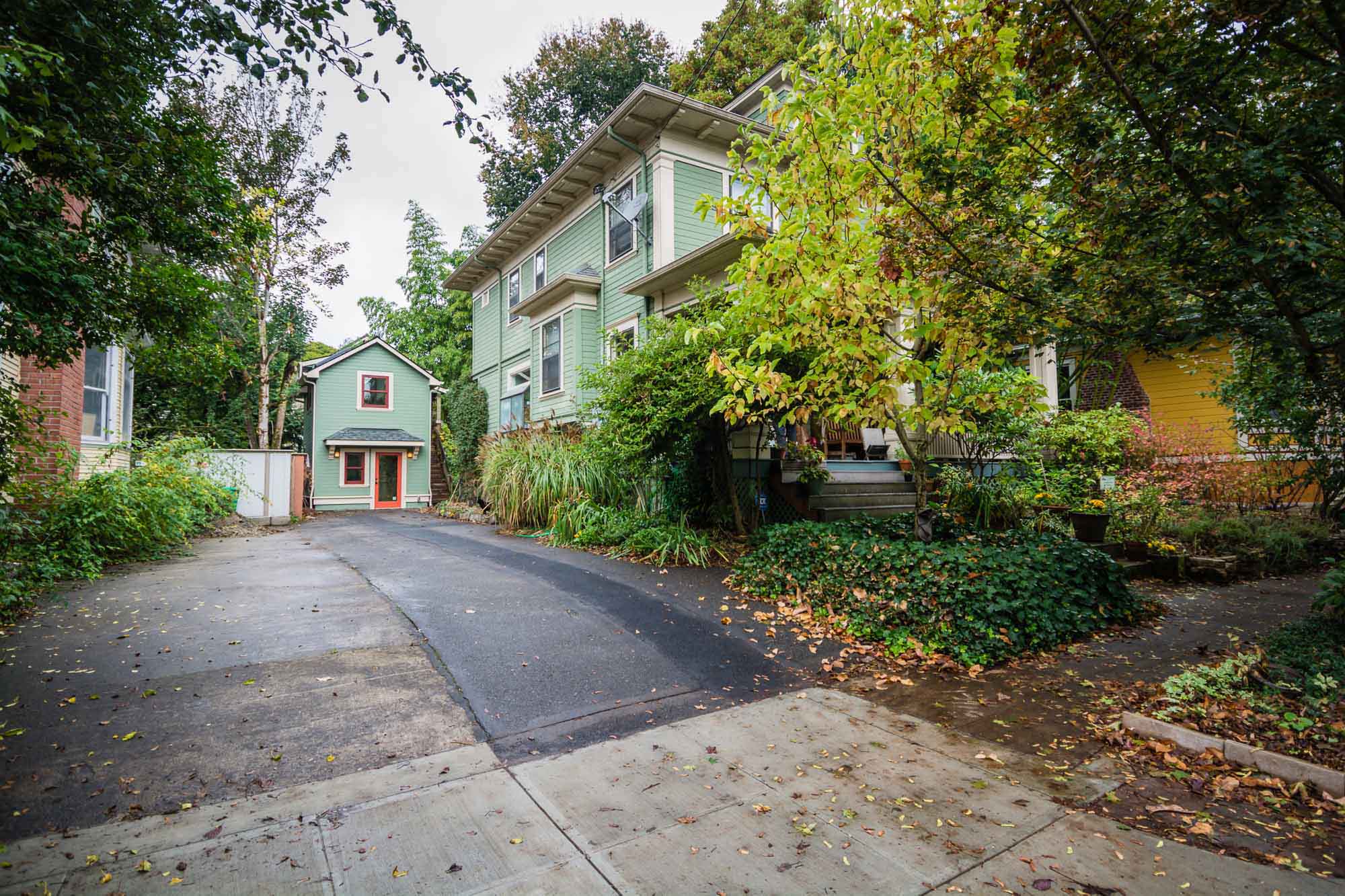
There is an adage in economic development: “Roofs Before Retail.” Meaning, of course, that savvy entrepreneurs will choose to locate in communities that not only want their retail services, but also contain the right mix of residential density and spending power. And as we are all aware, creating affordable housing in DC is always a challenge. In this episode, we visit with Cheryl Cort, the policy director for the Coalition for Smarter Growth. Cheryl addresses the need to create compact, walkable communities to increase housing opportunities in DC via “accessory dwelling units.” We also visit with Casey from Good Food Markets – summer produce is rolling in. Listen now!

Listen to the full podcast episode here.